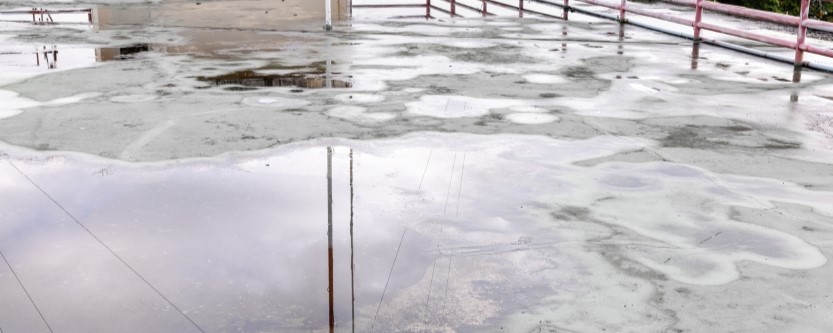
Ponding water is one of the most common and damaging problems affecting flat and low-slope commercial roofs. In Omaha, NE, where heavy rain, snow, and freeze-thaw cycles are part of the climate, standing water can quickly turn into a serious roofing issue if not addressed properly.
At Tillotson Enterprises, we regularly help property owners identify and correct drainage problems before they lead to major repairs or full roof replacement. If your roof is holding water for more than 48 hours after a storm, it is a sign that something is wrong.
If you’ve noticed standing water or ongoing leaks, it may be time to schedule a professional commercial roof inspection to evaluate the condition of your system.
What Is Ponding Water?
Ponding water refers to water that remains on a flat roof for more than 48 hours after rainfall or snowmelt. While flat roofs are designed with slight slopes for drainage, poor design, aging materials, or structural issues can cause water to collect in low areas.
Over time, even small amounts of standing water can create major problems.
Why Ponding Water Is So Dangerous
- Accelerates Roof Deterioration: Standing water breaks down roofing materials faster, especially membranes and coatings. Constant exposure to moisture weakens seams, causes blistering, and leads to premature failure.
- Increases Risk of Leaks: Water sitting on your roof increases the likelihood of it finding its way into small vulnerabilities, such as seams, flashing, or penetrations. Many commercial roof leaks start in areas where water collects.
- Adds Structural Weight: Water is heavy. Large areas of ponding can place additional stress on your roof structure, especially if drainage issues are widespread.
- Worsens Freeze-Thaw Damage: In Omaha’s climate, water that sits on your roof can freeze and expand, then thaw and repeat the cycle. This process accelerates material breakdown and increases damage over time.
What Causes Ponding Water on Commercial Roofs?
- Poor Drainage Design: If the roof was not properly designed or installed, it may not have adequate slope or drainage points.
- Clogged Drains or Scuppers: Debris buildup can block drainage systems, causing water to back up and collect on the surface.
- Roof Settling or Structural Movement: Over time, buildings can shift slightly, creating low spots where water naturally collects.
- Insulation Compression: Wet or deteriorated insulation beneath the roof surface can compress, creating dips that trap water.
How to Fix Ponding Water on a Flat Roof
The right solution depends on the underlying cause of the problem. A professional evaluation is essential to determine the best approach.
- Improve Drainage Systems: Cleaning or upgrading drains and scuppers can restore proper water flow.
- Add Tapered Insulation: Tapered insulation systems can help create slope and direct water toward drainage points.
- Apply Roof Coatings: In some cases, commercial roof coatings can help seal the surface and protect against water intrusion while improving performance.
- Restore or Replace the Roof: If the damage is severe, restoration or replacement may be necessary. Learn more about your options in our guide on roof replacement vs restoration.
How to Prevent Ponding Water Problems
- Schedule regular roof inspections
- Keep drains and gutters clear
- Address minor issues early
- Invest in preventative maintenance
Routine maintenance is one of the most effective ways to avoid costly repairs.
When to Call a Commercial Roofing Contractor
If your roof consistently holds water after storms, shows signs of leaks, or has visible low spots, it’s time to take action. Waiting too long can lead to more extensive damage and higher repair costs.
Protect Your Commercial Roof in Omaha, NE
Ponding water is not just a cosmetic issue - it is a warning sign that your roof is at risk. Addressing drainage problems early can extend the life of your roof and prevent major expenses.
At Tillotson Enterprises, we help business owners in Omaha, NE identify drainage issues, restore roof performance, and protect their buildings long-term.
Call today to schedule your inspection and keep your roof performing the way it should.