Hydrostatic pressure is one of the most common causes of foundation wall damage in Nebraska homes. Because much of the state is built on expansive clay soils, water does not easily drain away from foundations. Instead, moisture builds up in the soil and presses laterally against basement and crawlspace walls made of concrete block or poured concrete.
At Tillotson Enterprises, we routinely see foundation walls that fail not suddenly, but in predictable stages. Understanding these stages helps homeowners recognize early warning signs and take action before serious structural damage occurs.
Why Hydrostatic Pressure Is So Destructive in Nebraska
- Clay soils expand when wet and shrink when dry
- Heavy spring rains and snowmelt saturate soil
- Freeze–thaw cycles weaken concrete over time
- Poor grading and short downspouts trap water near foundations
Stage 1: Hydrostatic Pressure Builds

During the first stage, water accumulates in the soil surrounding the foundation. There may be no visible cracks, but stress is already being applied to the wall. This pressure increases after every rainstorm and during seasonal freeze–thaw cycles.
Best Opportunity to Act: Improving drainage at this stage can often prevent structural damage entirely.
Stage 2: Cracks Form in the Wall

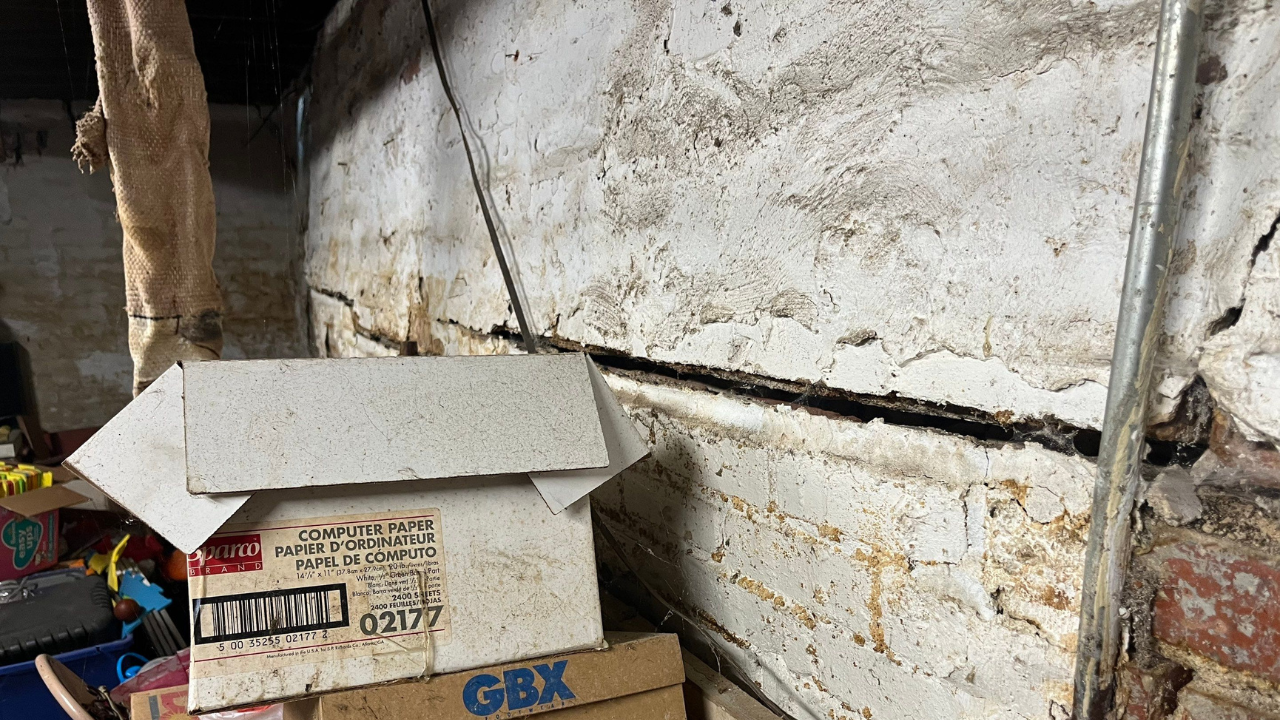
As hydrostatic pressure increases, cracks begin to form. In poured concrete walls, horizontal cracks are common. In block foundations, stair-step cracking follows mortar joints. These cracks often widen after heavy rain or snowmelt.
Stage 3: Wall Begins to Bow or Lean

If pressure is not relieved, cracks grow and the wall begins to move inward. Bowing or leaning walls indicate a serious structural condition. Floors above may slope, and doors or windows may begin to stick.
Stage 4: Structural Failure

In the final stage, the foundation wall can no longer resist hydrostatic pressure. Severe displacement, collapse risk, and extensive water intrusion are common. Repairs at this stage are complex and costly.
How Tillotson Enterprises Helps Nebraska Homeowners
Tillotson Enterprises provides professional foundation evaluations throughout Nebraska. We identify the stage of foundation wall damage, explain contributing factors, and recommend practical solutions to stabilize and protect your home.